Quick Verdict
Our buying guide for the Oura Ring Gen 4 Horizon, AI-scored 9.0/10.
Who Should Buy This
The Oura Ring Gen 4 Horizon is built for serious health optimizers who want continuous biometric monitoring without compromising on wearability. If you sleep with a smartwatch on and find it uncomfortable, or if you've abandoned fitness trackers because they feel bulky, this ring solves that problem elegantly. You're the ideal customer if you value sleep quality insights above all else—Oura's sleep stage tracking is genuinely best-in-class and validated by independent research. You'll also appreciate this if you're someone who checks health data in the morning rather than mid-workout, and you don't mind paying a monthly subscription for deeper insights. If you're already committed to health optimization (tracking nutrition, training programs, recovery practices), the annual membership fee becomes worthwhile context rather than a dealbreaker.
Who Should Skip It
Pass on the Oura Ring if you're a casual fitness tracker user looking for a cheap way to count steps and calories. The entry price plus recurring subscription stacks against budget alternatives that do basic tracking for less. Skip this if you need real-time workout metrics—no display means you can't see heart rate zones, pace, or calories burned without pulling out your phone, which is genuinely limiting during training sessions. You should also reconsider if the subscription model bothers you philosophically; there's no lifetime alternative, and you lose access to premium features the moment you stop paying. If you have very large or very small fingers, sizing may be problematic since ring sizing is specific and exchanges happen through mail. Finally, if you're primarily interested in blood oxygen, ECG, or blood pressure monitoring, look elsewhere—Oura focuses on sleep, activity, and temperature, not these clinical metrics.
Key Features to Evaluate
Start with the sleep tracking accuracy. Oura separates REM, deep, and light sleep with granular breakdown—this isn't just marketing. Independent validation shows their sleep stage detection rivals clinical polysomnography in many cases. If sleep optimization is your actual goal (not just a feature checkbox), this matters significantly.
Battery life is the second critical feature. Eight days between charges means you're not in the daily charging hamster wheel. This matters more than it sounds; consistent charging means more consistent data, and less friction means you'll actually wear the device. Compare this to smartwatches requiring nightly charging and the advantage becomes clear.
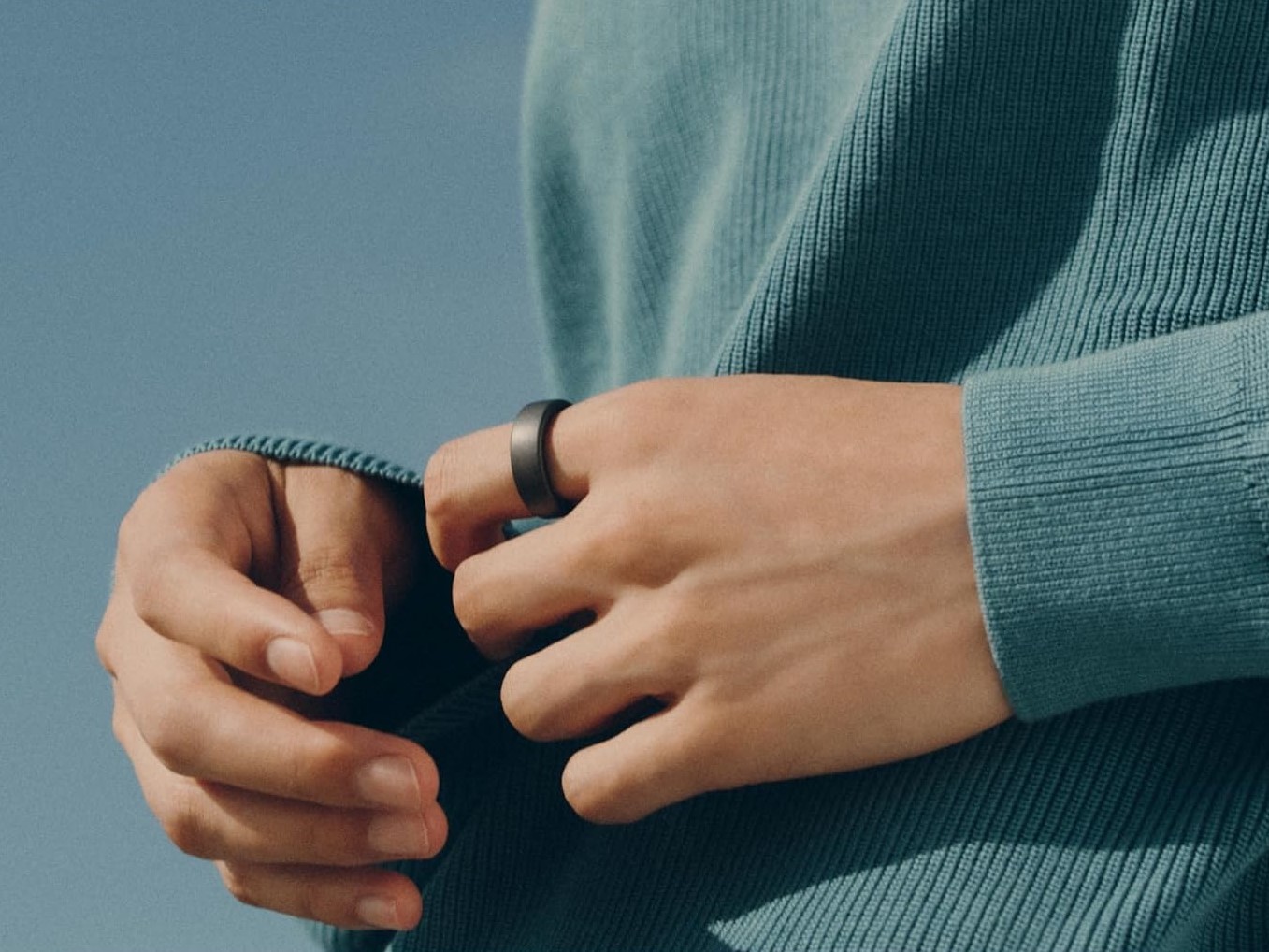
Form factor is next. Wear a ring for three days and you'll forget you're wearing it. Wear a smartwatch for three days and you'll feel it constantly, especially during sleep. If 24/7 wearability without friction is important to you, this is genuinely different from alternatives.
The temperature sensing capability deserves attention too. Oura tracks skin temperature trends, which can indicate illness, hormonal shifts, or recovery status. This is peripheral compared to sleep tracking but adds useful context when you're actually using the app regularly.
Finally, evaluate the mobile app experience. You'll be checking it daily since there's no on-device display. The app needs to feel intuitive and give you actionable insights, not just data dumps. Spend time in reviews watching app walkthrough videos to ensure the interface matches how you want to consume health data.
Price vs Value
The upfront cost is fair for the hardware quality and manufacturing precision required. Rings are trickier to manufacture at scale than watches, and the build quality reflects that investment.
The subscription fee is where value becomes subjective. $5.99 monthly for health insights that could otherwise be unavailable is reasonable for true health optimizers. But the real question is whether you'll use it. If you buy this ring and check the app twice then abandon it, you've wasted its current price and ongoing fees. If you check daily and adjust your sleep, recovery, or activity based on insights, the subscription becomes justified—you're paying for personalized recommendations and pattern analysis you wouldn't get from raw data alone.
Compared to premium smartwatches (its current price with similar subscription costs), the Oura Ring is cheaper upfront and cheaper annually. Compared to budget fitness trackers (its current price with no subscription), it's more expensive but delivers qualitatively different insights in sleep and recovery.
Calculate your actual commitment: Would you wear this consistently for 2+ years? If yes, the cost-per-day becomes reasonable. If you suspect you'll lose interest or switch to something else, the sunk cost is higher than it appears.
Our Verdict
The Oura Ring Gen 4 Horizon deserves its 9.0/10 score because it executes what it's designed for with genuine excellence. The sleep tracking is the best available in a consumer wearable. The form factor solves real friction points that smartwatches create. The battery life is legitimately impressive.
Buy this if you're a health optimizer who values sleep insights, wants imperceptible wearability, and doesn't mind subscriptions. Don't buy it if you're a casual user, need workout real-time displays, or want to avoid ongoing fees. For the right person, it's genuinely worth the investment and the monthly cost. For the wrong person, it's an expensive paperweight gathering dust on your nightstand.
Ready to buy?
Oura Ring Gen 4 Horizon
View on Amazon →Affiliate link — we may earn a commission at no extra cost to you
Get AI-curated deals like these every week
Free picks from our research engine. No spam — unsubscribe anytime.
No comments yet — be the first to share your experience.